
Save Your Hands!
The Complete Guide to Injury Prevention and
Ergonomics for Manual Therapists, 3rd Edition
By Lauriann Greene and Richard W. Goggins, MS, CPE, LMT
with contributions by Janet M. Peterson, DPT, PT
The #1 Best-Selling Self-Care Resource
for Massage Therapists and
Manual Therapy Students and Professionals
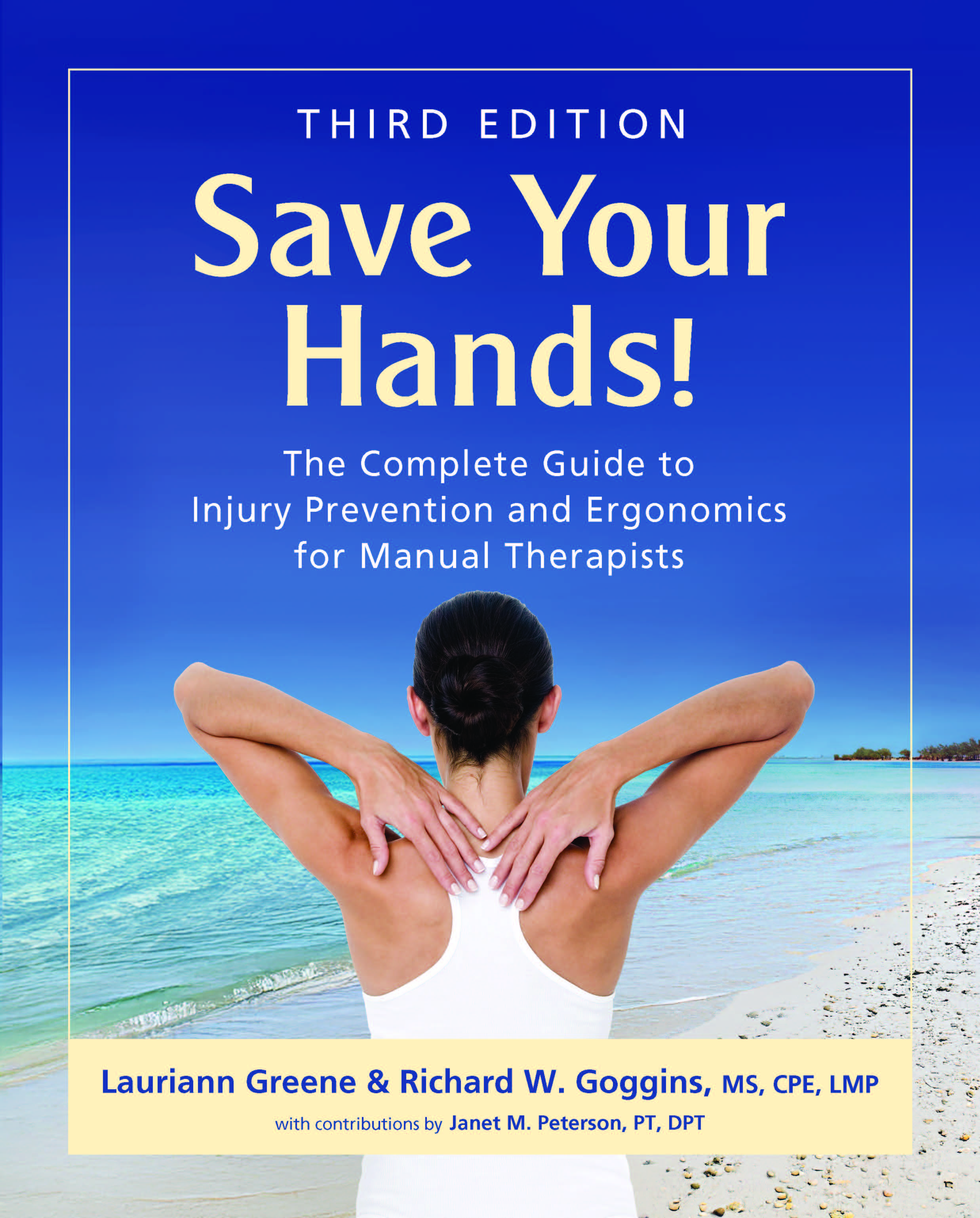
For Every Massage and
Manual Therapist,
Students to Professionals
Injury is not inevitable, despite the considerable physical and emotional work demands therapists face that can lead to symptoms and musculoskeletal disorders.
Save Your Hands! 3rd Edition provides extensively updated, revised, expanded and proven strategies to protect your health, enhance your practice, and extend your career. It will help save your hands, back, neck, shoulders and wellbeing throughout a long, healthy career. That's why Save Your Hands! is now the gold standard for injury prevention in massage therapy and manual therapy training and professional practice.
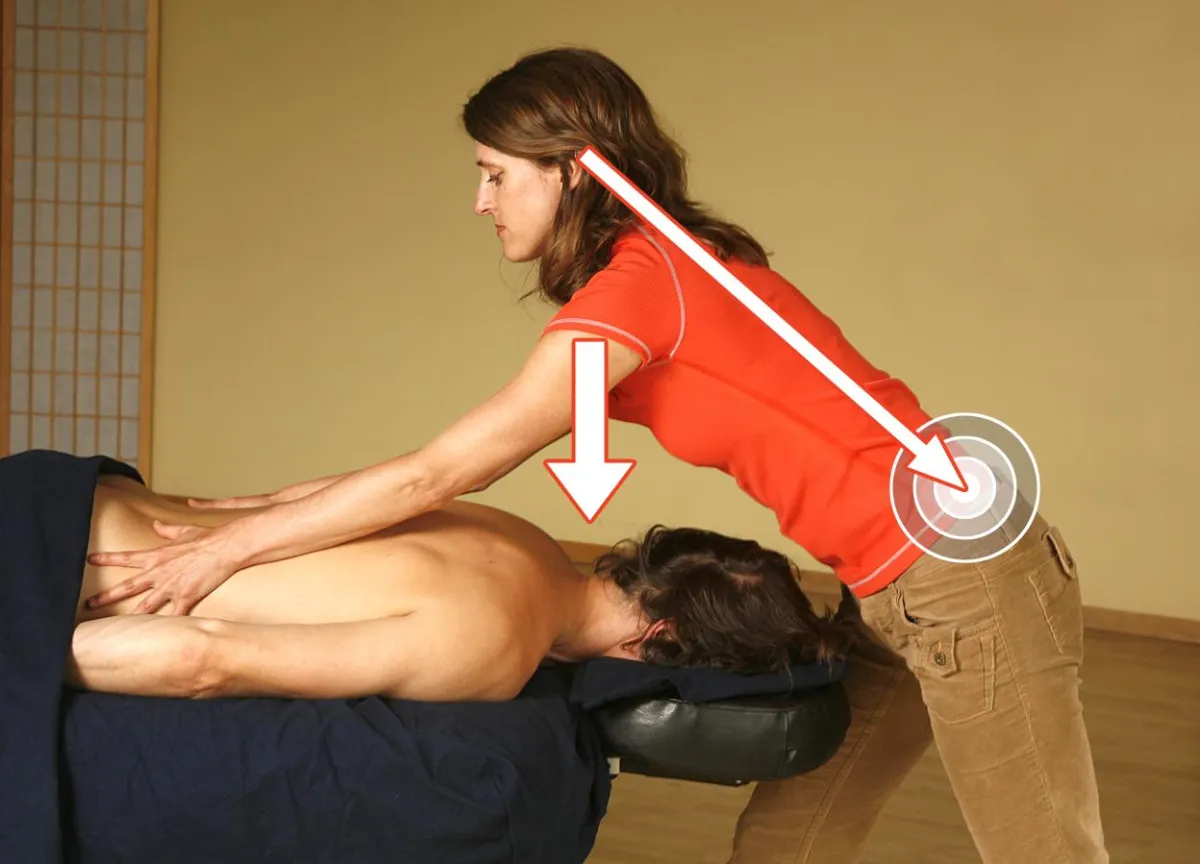
Evidence-based injury prevention strategies and advice
Detailed ergonomic principles specific to manual therapy settings
Career longevity planning that begins in training
Practical self-care methods therapists can implement immediately
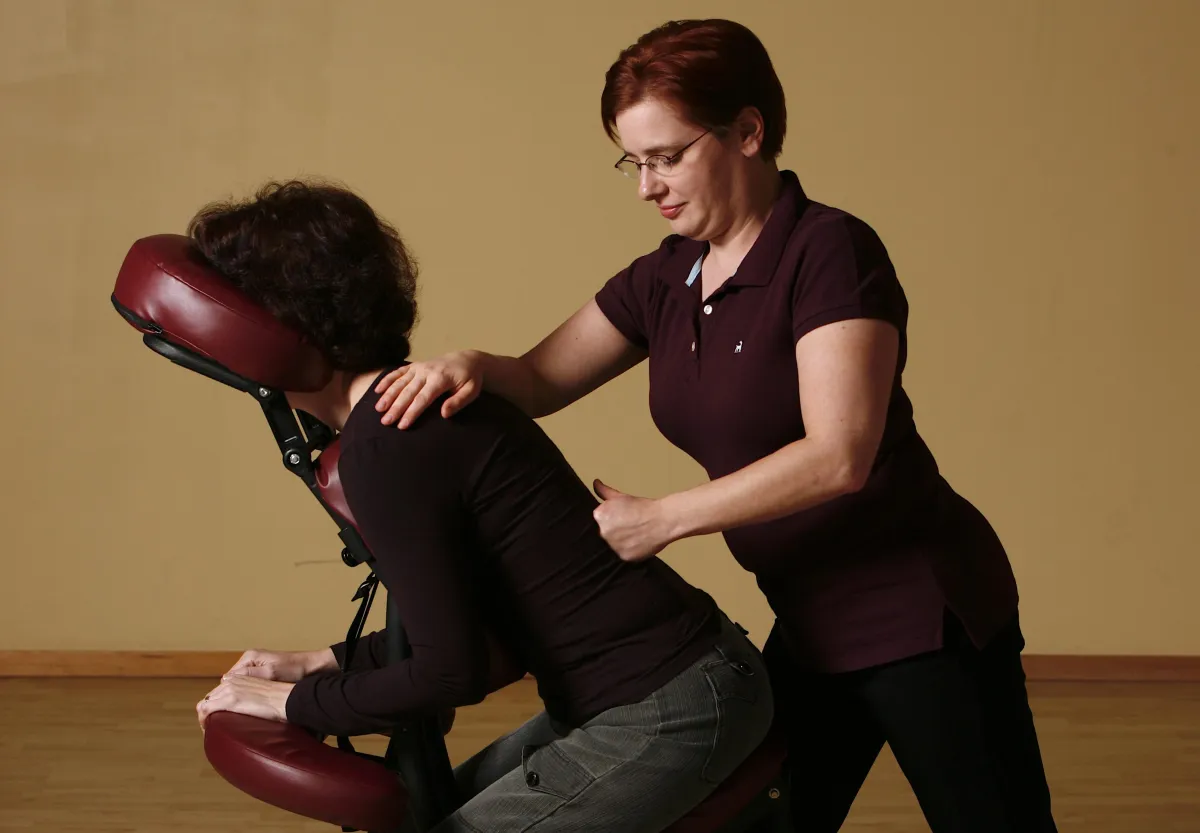
Massage Therapy Schools
Elevate your curriculum!
Save Your Hands! is a comprehensive guide and essential resource has been included in curricula at hundreds of schools worldwide for many years. We offer a free teachers' guide and curriculum guides to assist you in using Save Your Hands! to prepare students for a healthy career in a demanding field.
For Libraries
An essential resource for:
Allied health programs
Vocational training collections
Professional development sections
Health sciences references
Career guidance resources

Subscribe to our Mailing List
Get the latest prevention information, announcements, blog posts and media links sent straight to your inbox.
TESTIMONIALS
Praise for Save Your Hands! 3rd Edition
"Brilliant!"
"Lauriann Greene is brilliant and the work she is doing is going to SAVE our THERAPISTS! LOVE THIS ❤️.”
— Margaret Lora, Spa Consultant
"A Major Contribution"
“I have always considered your book a major contribution to our profession.”
— David Palmer, LMT, Founder of TouchPro International, the "Father of Modern Chair Massage
"Comprehensive"
“... the definitive self-care guide from Greene and Goggins. It is so comprehensive that, while you may already have excellent habits as a therapist, many of its topics may still be new to you.”
— AMTA Washington Chapter
"Great Stuff!"
"I reference your work a lot in my books! Great Stuff!"
— Susan Salvo, EdD, BCTMB, LMT
Author, Massage Therapy Principles & Practice
Author, Mosby's Pathology for Massage Therapists
"Exceptional organization and thoughtful design."
"Save Your Hands! is a book that I truly wish I had discovered 35 years ago. This resource stands out for its exceptional organization and thoughtful design, making it highly suitable for anyone who practices manual therapy. Protecting ourselves is essential to maintaining a long and healthy career in this field. I encourage you to do yourself a favor and read Save Your Hands."
— Bruce Baltz, LMT, BCTMB, Founder of SpiriPhysical and Director of Education for Pura 1st Wellness
"Expands the concept of risk beyond technique."
“What makes this book especially valuable is how it expands the concept of risk beyond technique. It encourages practitioners to consider equipment choices, client positioning, and environmental factors-both within and beyond the treatment space. There is practical information on common injuries with recommendations on how to heal and avoid re-injury. The book frames self-advocacy and self-care as central tenets of sustainable practice. I recommend this book for students, educators, and seasoned professionals.”
— Sandy Fritz, MS BCTMB, Author, The Massage Therapaist's Guide to Pain Management and others
"Excellent practical advice"
"Save Your Hands! provides excellent practical suggestions for improving safety of the provision of manual therapy services. The authors have been thoughtful and comprehensive in their approach and provide valuable information to the practitioner regarding how to protect themselves from injury ...
— Jeff Lau, PT, DPT, OCS, CMPT, Program Director, PTA program, Provo College, Utah
"A good investment"
"This inexpensive softcover book is a good investment. Any professional who does hands-on treatment should have it on the shelf."
— Journal of Orthopaedic and Sports Physical Therapy

Company
Follow Us Social


© Save Your Hands, 2026. All Rights Reserved.